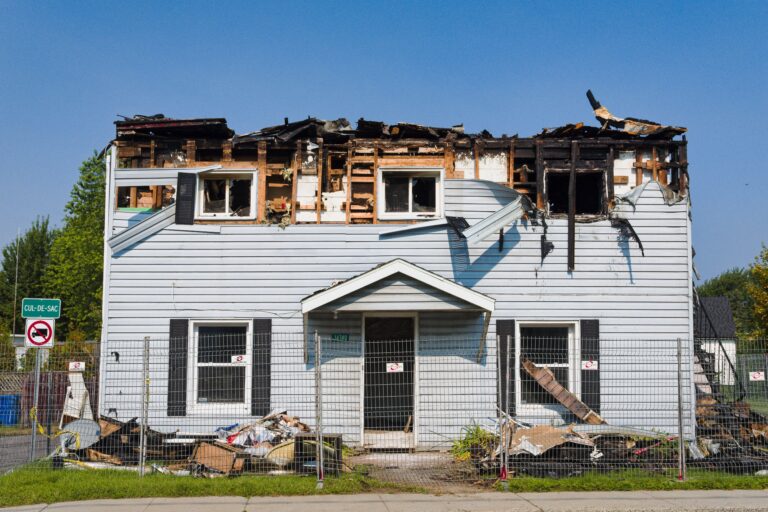
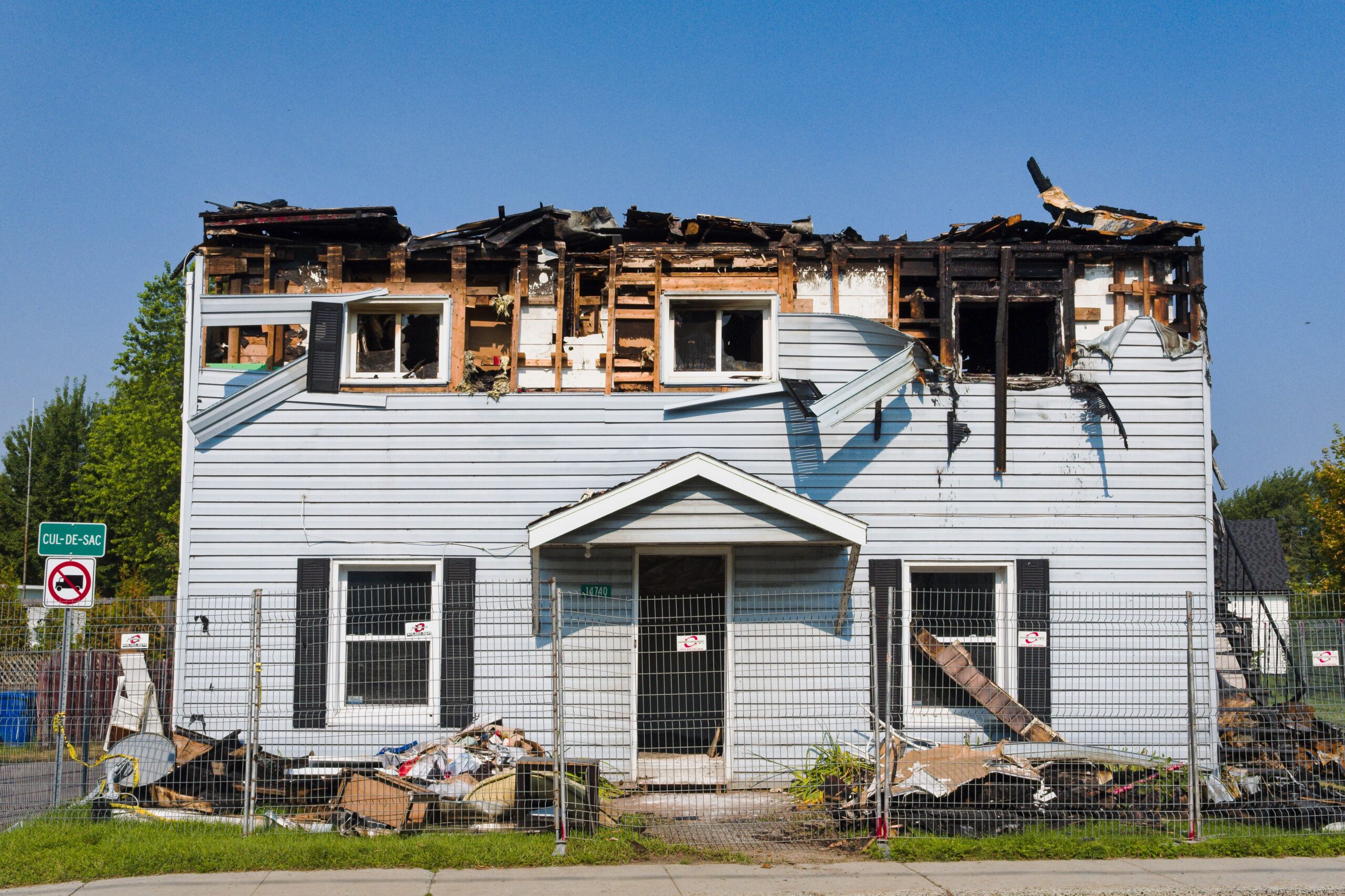

When a home, commercial building, apartment complex, or business suffers property damage, policyholders expect their insurance company to honor the policy they paid for. Unfortunately, many property owners quickly discover that filing a claim is only the beginning of the battle.
Across the United States, insurance laws vary significantly from state to state. While insurance companies operate nationally, the rules governing claim handling, bad faith practices, policyholder rights, and legal remedies differ depending on where the property is located.
For property owners in Kentucky, Montana, Tennessee, Indiana, California, Colorado, New York, Texas, Washington, and Florida, understanding these differences can make a substantial difference in the outcome of a property damage claim. Whether the damage stems from hail, wind, hurricanes, wildfires, water intrusion, fire, or severe storms, having experienced legal representation can be the key to recovering the compensation needed to rebuild.
Why State Insurance Laws Matter
Insurance policies may appear similar, but the legal protections available to policyholders vary considerably.
Some states provide strong bad faith protections that allow policyholders to pursue additional damages when insurers act unfairly. Others focus more heavily on contractual remedies. Certain states impose strict deadlines on insurers, while others provide broader discretion during investigations.
Because of these differences, policyholders often need attorneys who understand both property damage litigation and the unique legal landscape of the state where the loss occurred.
Kentucky: Strong Bad Faith Protections
Kentucky is recognized for providing meaningful protections against insurance bad faith. Under Kentucky law, insurers must handle claims fairly and in good faith. Policyholders may pursue legal action when insurers unreasonably deny, delay, or underpay legitimate claims.
Kentucky’s Unfair Claims Settlement Practices Act (UCSPA) establishes standards insurers must follow when investigating and resolving claims. To prevail in a bad faith action, policyholders generally must demonstrate that the insurer lacked a reasonable basis for denying the claim and either knew or recklessly disregarded that fact.
For Kentucky property owners dealing with storm damage, fire losses, or commercial property claims, these protections can provide powerful leverage when insurers fail to honor their obligations.
Texas: A Leader in Policyholder Rights
Texas experiences some of the most severe weather events in the country, including hurricanes, hailstorms, tornadoes, and straight-line winds. As a result, Texas has developed extensive laws governing insurance claim practices.
Texas policyholders often benefit from statutes that require insurers to investigate and respond to claims within specific timeframes. Delays, inadequate investigations, and improper denials may expose insurance companies to significant liability.
For businesses and homeowners recovering from catastrophic property losses, understanding these protections can significantly impact settlement outcomes.
California: Complex Claims in a Disaster-Prone State
California presents unique challenges due to its exposure to wildfires, earthquakes, mudslides, and severe weather events.
The state recognizes strong bad faith claims against insurers that unreasonably deny, delay, or underpay valid claims. California courts have long held that insurance contracts contain an implied covenant of good faith and fair dealing.
Following recent wildfire seasons, California policyholders have increasingly faced disputes involving smoke damage, business interruption losses, and rebuilding costs. As claims become more complex, experienced legal representation becomes essential to ensure policyholders receive the full benefits available under their policies.
Florida: Hurricane-Driven Property Claims
Florida remains one of the most active property insurance markets in America due to its exposure to hurricanes, tropical storms, flooding, and wind damage.
Insurance disputes are common following major storm events, particularly when insurers challenge damage valuations or causation. Property owners frequently encounter issues involving roof damage, water intrusion, mold growth, and delayed claim handling.
Given the volume and complexity of Florida property claims, legal representation often becomes necessary when insurers fail to pay the full value of covered losses.
Colorado: Hail Damage and Wildfire Risks
Colorado consistently ranks among the nation’s most hail-prone states. Combined with increasing wildfire activity, property owners face substantial risks each year.
Insurance disputes in Colorado often involve roof replacement claims, hail impact assessments, depreciation calculations, and wildfire-related losses. The state’s insurance regulations provide important consumer protections, but navigating complex claims frequently requires skilled advocacy.
Commercial property owners, homeowners, and community associations often benefit from legal assistance when confronting disputed valuations or denied claims.
New York: Detailed Regulatory Oversight
New York maintains one of the most heavily regulated insurance industries in the United States.
Property owners dealing with fire, water damage, winter storm losses, and commercial property claims must often navigate extensive policy language and regulatory requirements. Insurance carriers are expected to investigate claims thoroughly and communicate promptly with policyholders.
Because of the state’s complex legal environment, property damage disputes often require experienced counsel capable of interpreting policy provisions and challenging improper claim decisions.
Washington State: Strong Consumer Protections
Washington has developed a reputation for strong consumer-oriented insurance regulations.
Property owners may have remedies available when insurers engage in unreasonable claim practices, fail to conduct proper investigations, or delay legitimate payments. These protections can be particularly valuable following windstorms, flooding events, and wildfire-related losses.
Washington policyholders frequently benefit from attorneys experienced in both insurance litigation and statutory consumer protection claims.
Tennessee: Increasing Property Damage Challenges
Tennessee property owners regularly face severe weather events, including tornadoes, windstorms, hail, and flooding.
Insurance disputes often arise regarding coverage interpretation, repair scope disagreements, and payment delays. Commercial property owners and homeowners alike may find themselves battling insurers over the true value of their losses.
As development continues throughout the state, property damage claims are becoming increasingly complex, making experienced legal representation more important than ever.
Indiana: Protecting Homeowners and Businesses
Indiana experiences a wide range of property damage events, including hailstorms, wind damage, fire losses, and water intrusion claims.
Property owners frequently encounter challenges when insurers undervalue repairs or dispute coverage. Whether the claim involves residential, commercial, or multi-family properties, understanding available legal remedies can significantly improve recovery outcomes.
Experienced attorneys can help ensure insurers meet their obligations and fully evaluate covered damages.
Montana: Unique Challenges for Rural Property Owners
Montana’s geography creates distinct insurance challenges. Wildfires, severe winter weather, windstorms, and large-scale property losses can significantly impact homes, ranches, farms, and commercial properties.
Because many properties are located in rural areas, damage assessments and claim investigations may be more complicated than in urban markets. Policyholders often require legal assistance to ensure insurers accurately evaluate losses and provide appropriate compensation.
Why Property Owners Choose Denham Law
Property damage claims are rarely as straightforward as insurance companies suggest. Insurers may:
- Delay claim investigations
- Underestimate repair costs
- Dispute causation
- Misinterpret policy language
- Deny valid claims
- Offer settlements far below actual damages
Denham Property and Injury Law focuses on helping policyholders challenge underpaid, delayed, and denied insurance claims. The firm’s attorneys represent homeowners, business owners, commercial property investors, and organizations facing complex insurance disputes.
With offices and representation spanning multiple states, Denham Law understands the unique insurance laws that govern property damage claims across the country. The firm works to hold insurers accountable and pursue the full compensation policyholders deserve.
The Bottom Line
Property damage claims are governed by state-specific laws that can dramatically affect the outcome of a case. Whether you’re dealing with wildfire damage in California, hail losses in Colorado, hurricane damage in Florida, storm damage in Texas, or insurance bad faith in Kentucky, understanding your rights is critical.
When insurance companies fail to honor their obligations, experienced legal representation can help level the playing field. Denham Law provides policyholders with the knowledge, resources, and advocacy necessary to challenge unfair insurance practices and pursue fair compensation.
If your property damage claim has been delayed, underpaid, or denied, speaking with an experienced property damage attorney may be the first step toward securing the recovery you deserve.