




















When Should You Hire an Insurance Claim Lawyer?
Hire a lawyer when the insurance company’s position and your policy’s language stop matching. That is the practical test, and it usually shows up in one of these situations:
- The carrier denied the claim and the stated reason does not match what happened
- The payment covers a fraction of what repairs or replacement actually cost
- The adjuster stopped returning calls, or the file has sat for months with no decision
- The insurer is demanding a recorded statement, a sworn examination, or documents you do not have
- The company applied an exclusion or a deductible you did not know was in the policy
- Additional living expenses or business interruption payments were cut off before repairs finished
Any one of these is reason enough for a conversation with an experienced attorney. Hiring a lawyer for an insurance claim does not automatically put you on a path to a lawsuit. Most disputes are resolved in settlement negotiations, but our team is always ready to take your case to court if your insurer refuses to settle your claim fairly.
What Types of Insurance Claims Do We Handle?
We represent policyholders in disputes with their own insurance company. The cause of the damage decides what your insurer will fight you on, and we take property damage claims of every kind.
| Loss type | What the dispute usually turns on |
|---|---|
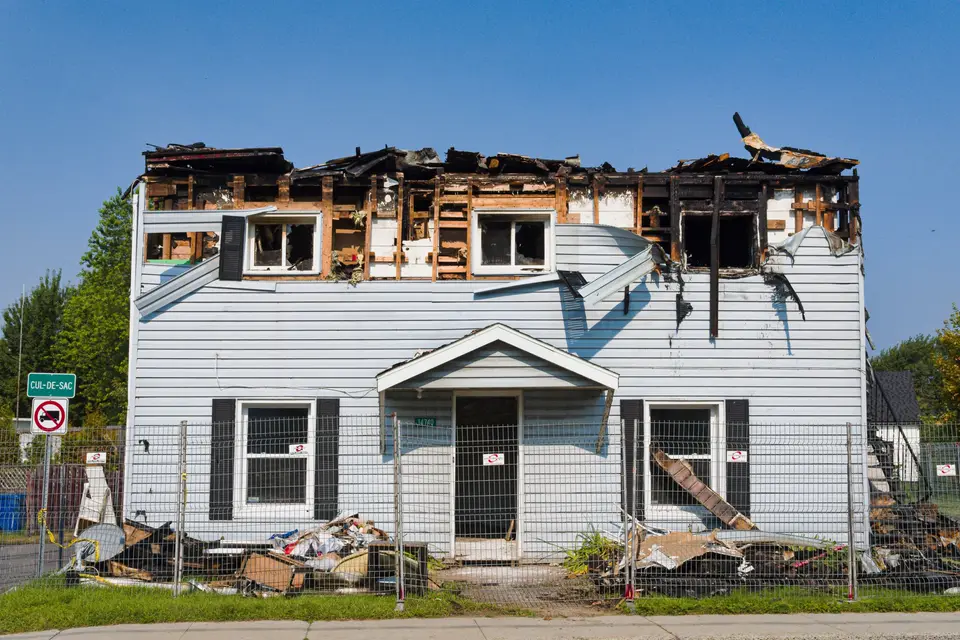
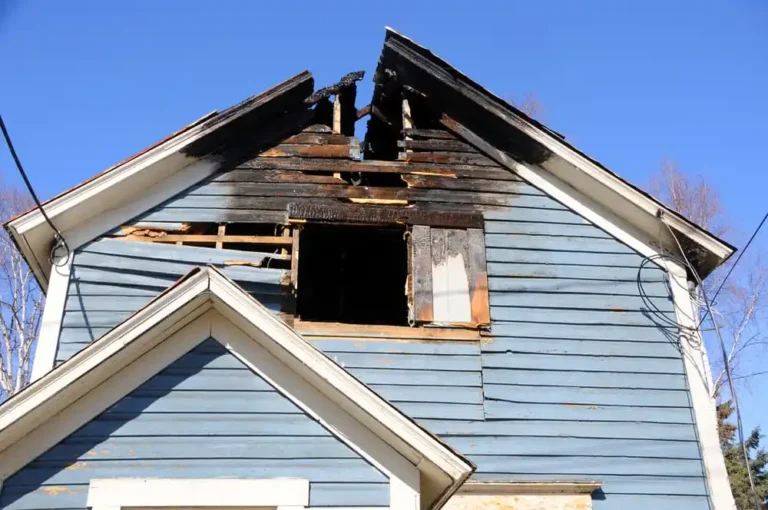
| Fire damage | Cause investigation, contents valuation, displacement costs |
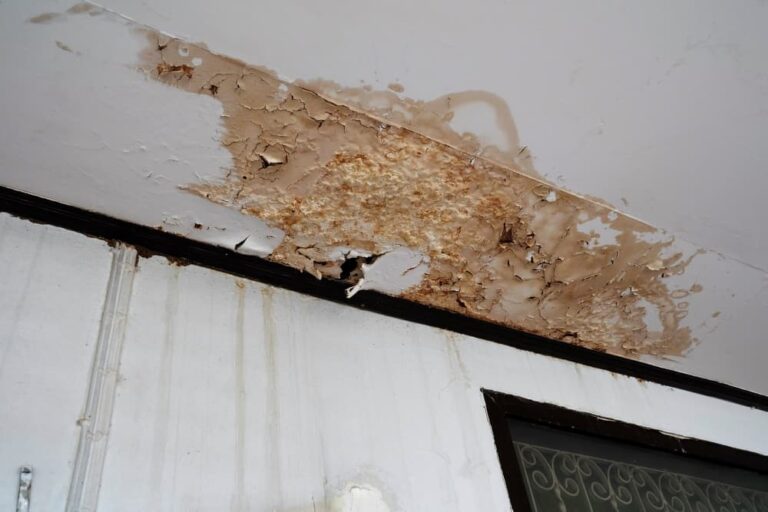
| Water damage | Sudden versus gradual, mold exclusions, source of the leak |
| Wind damage | Whether wind created an opening before rain entered |
| Hail damage | Cosmetic versus functional, weather data, roof matching |
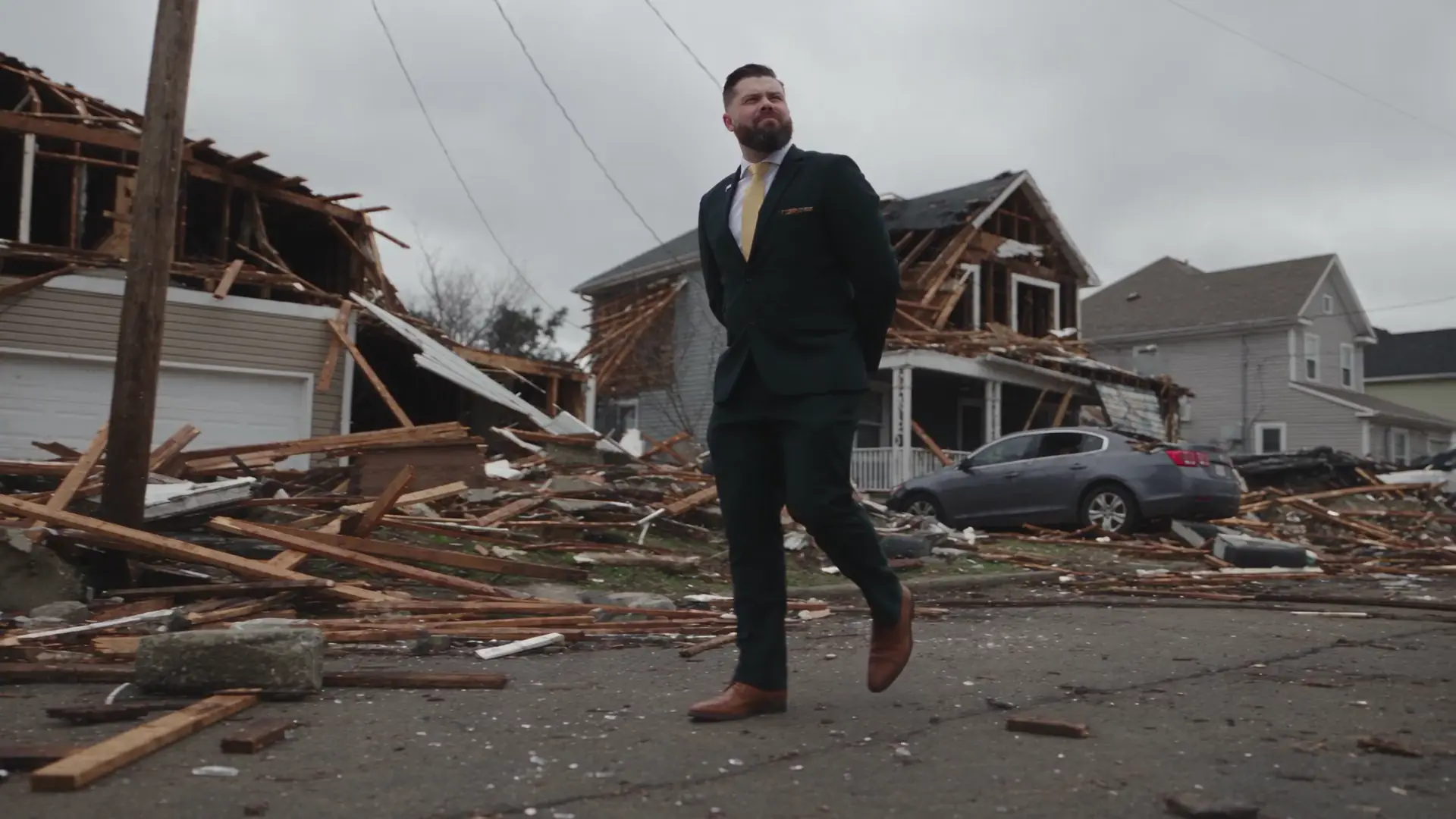
| Tornado damage | Total loss valuation, code upgrades, debris removal |
| Hurricane damage | Named-storm deductibles, wind versus flood attribution |
| Flooding | Coverage source, since standard policies exclude flood |
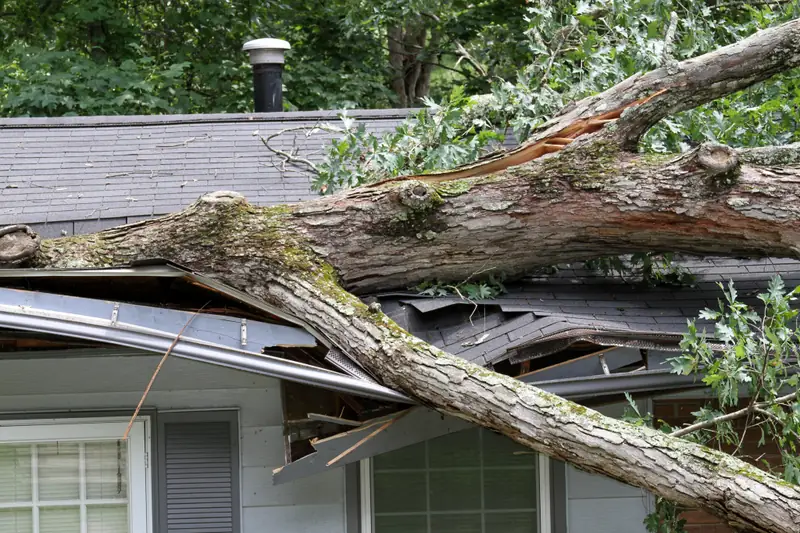
| Tree damage | Removal limits, responsibility when the tree was a neighbor’s |
Flood is the exception in the table above. Standard homeowners and commercial policies exclude it, and coverage is provided through a separate policy written under the National Flood Insurance Program. After a storm, carriers sometimes attribute wind damage to flooding precisely because the two are covered under different policies.
We also handle underpaid, denied, and delayed claims regardless of what caused the loss, along with personal injury cases.
Not sure which category your claim falls into? Call (859) 900-BART (2278) and we will sort it out with you.
Why Do Insurance Companies Underpay Valid Claims?
Insurance companies underpay valid claims because underpaying works. Most policyholders accept the first amount, and the ones who argue usually stop after one round. The tactics are consistent enough that we can generally name which one is in play after reading the estimate.
Depreciation That Never Gets Released
Replacement cost policies pay actual cash value first and hold back the rest until repairs finish. Carriers apply aggressive depreciation to that first payment, then make the holdback difficult to collect. On a large loss, the withheld amount runs into tens of thousands of dollars.
Estimates Built From the Carrier’s Own Price List
Adjusters write estimates using software loaded with regional pricing the insurer selects. When local contractors will not work at those rates, the estimate is not a repair budget. It is a negotiating position.
Scope Gaps Rather Than Low Line Items
The most expensive underpayments are the categories left off entirely. Code upgrades, matching materials, rooftop equipment, contents, and displacement costs go missing more often than individual prices come in low.
Adjusters Carrying Too Many Files
After a widespread storm, carriers bring in temporary adjusters who handle far more claims than anyone can inspect carefully. Speed produces errors, and those errors run in one direction.
Recognizing which of these errors is driving your payment amount changes how we argue your claim, and that is the work we do before ever contacting the carrier.
How We Work an Insurance Claim, From Review to Resolution
An insurance dispute attorney starts with the policy rather than the damage. What the carrier owes is a question of language, and the answer lies in a document most policyholders have never read beyond the declarations page.
Policy and Claim Review
We read the full policy, including endorsements added at renewal that change coverage without changing the premium much. Then we compare what the carrier did against what the policy requires, and we obtain the adjuster’s report, photographs, and estimate.
Independent Valuation
We retain our own estimators, engineers, and remediation professionals so the number does not come from the insurer’s contractor. On commercial files that extend to rooftop equipment, tenant losses, and business interruption.
Negotiation and Demand
We put a documented valuation in front of the carrier with the policy language behind it, and every adjuster call and document request routes through our office from that point on.
Appraisal
Many policies contain an appraisal clause, a contractual process in which each side hires an appraiser, and a neutral umpire resolves any difference in value. Appraisal settles disagreements about the amount, not about whether the loss is covered at all, so it fits some files and not others.
Litigation
When the carrier fails to pay as required by the policy, we file suit. Litigation also unlocks the insurer’s internal claim file, which frequently contains notes that undercut the denial.
Those five stages are the shape of most files, though plenty resolve well before the last one.
What Does Bad Faith Mean on an Insurance Claim?
Bad faith is a separate claim against the insurer for how it handled your file, on top of what it owes under the policy. An insurer that ignores evidence, misstates policy terms, or refuses to investigate can face liability beyond the benefits themselves.
Bad faith is one path among several, not the default. Most disputes resolve as coverage or valuation arguments without ever reaching it. When the carrier’s conduct does cross that line, our bad faith insurance lawyers handle that claim separately.
Insurance Claims for Businesses and Commercial Property
Commercial policies cover losses that homeowners policies do not, and those additional coverages are the ones most often left unclaimed. A business owner who files only for building repairs may leave the larger part of the claim on the table.
The coverages we look for on a commercial file include:
- Business interruption, which replaces income lost while the property is unusable
- Extra expense, which pays the cost of operating from a temporary location
- Loss of rents, which covers payments that tenants stop making after damage
- Equipment and inventory, including rooftop mechanical systems and stock damaged by water or smoke
- Ordinance or law coverage, which pays to bring repaired areas up to the current building code
Commercial policies also carry traps that residential policies do not, and coinsurance is the most punishing one. If the building was insured for less than the required percentage of its value, the carrier can reduce every payment proportionally, even on a partial loss. We check that calculation on every commercial claim, because insurers apply it incorrectly more often than you would expect.
Meet Our Insurance Claim Legal Team
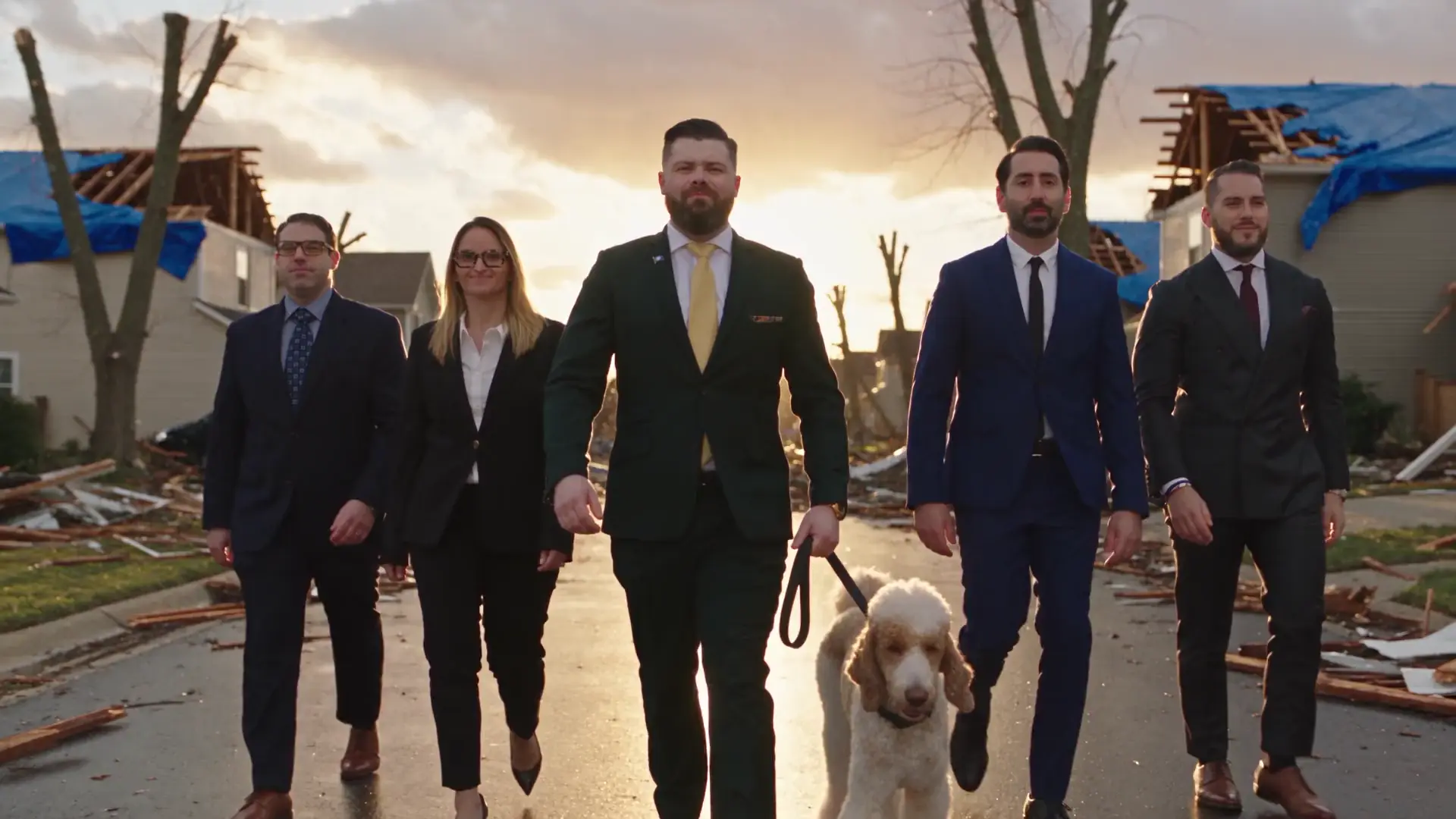
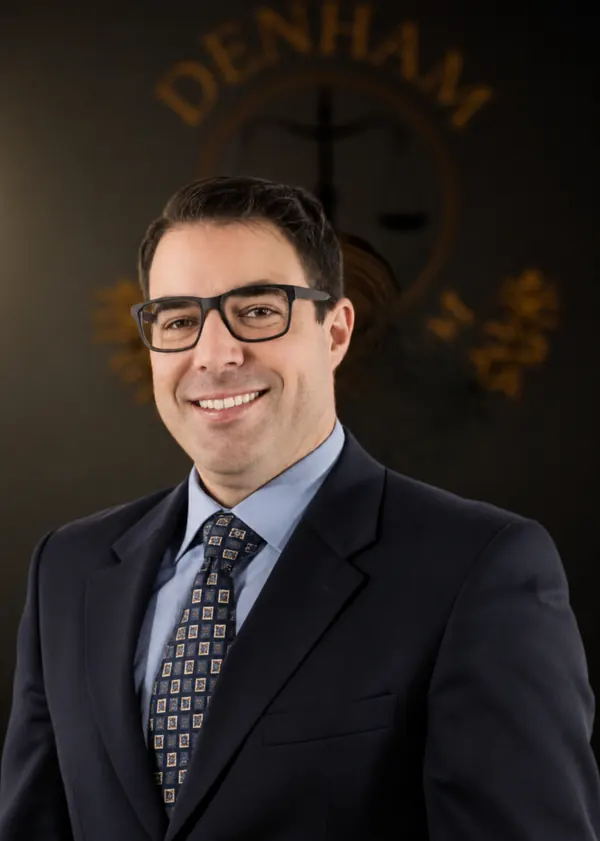
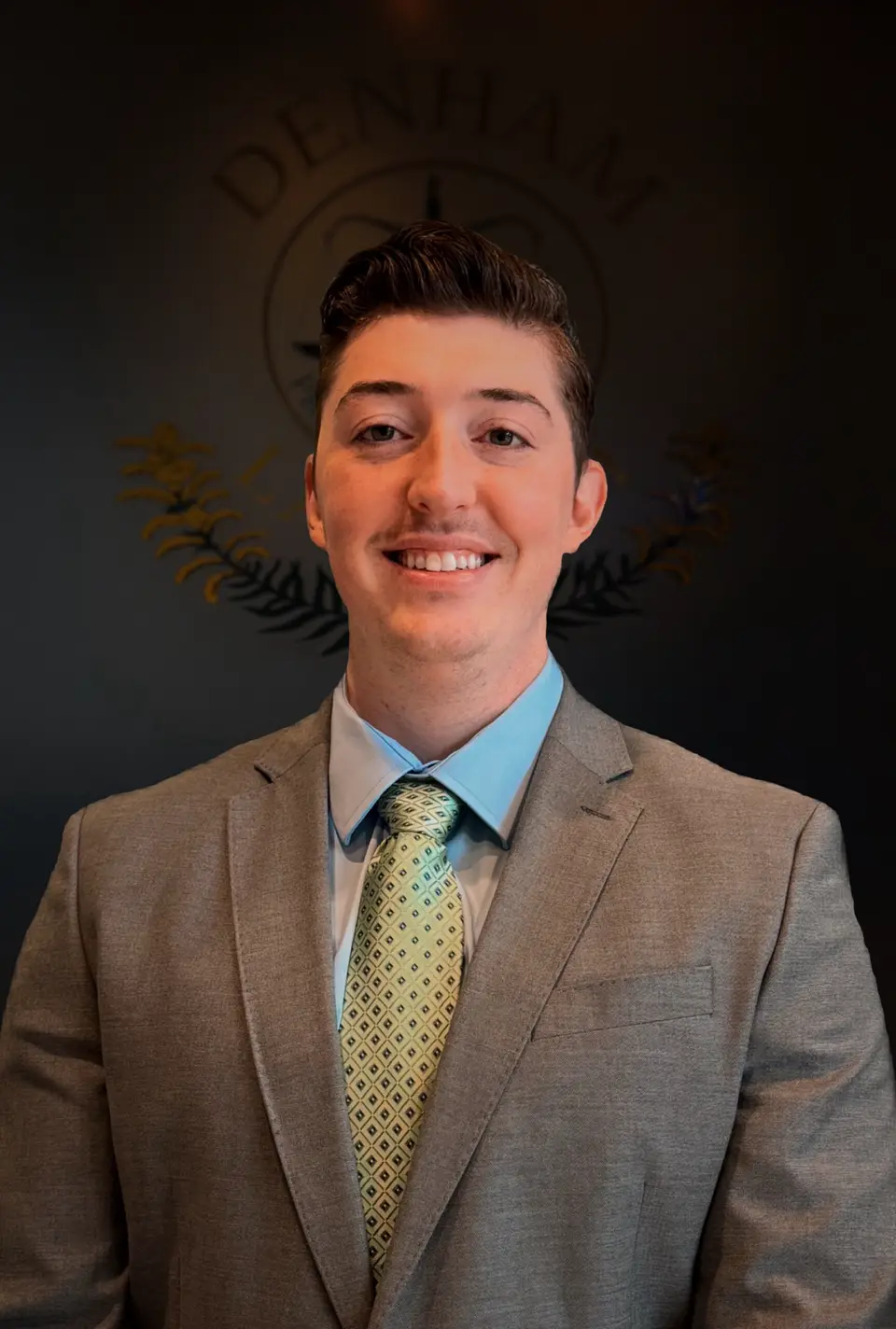
Every insurance claim attorney at this firm works the policyholder’s side. We take no insurer-defense work, so no file here is managed around an insurance company’s interests.
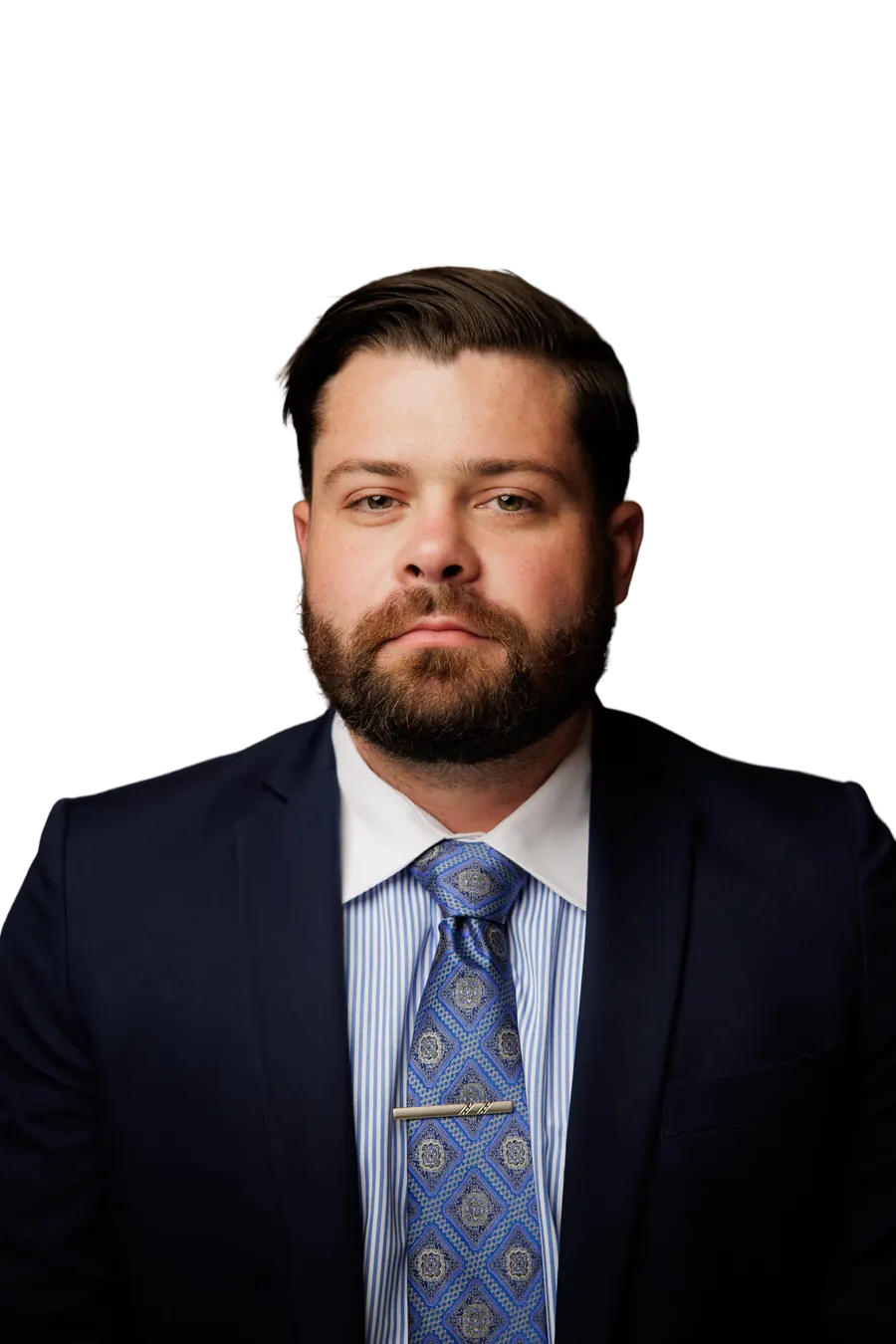
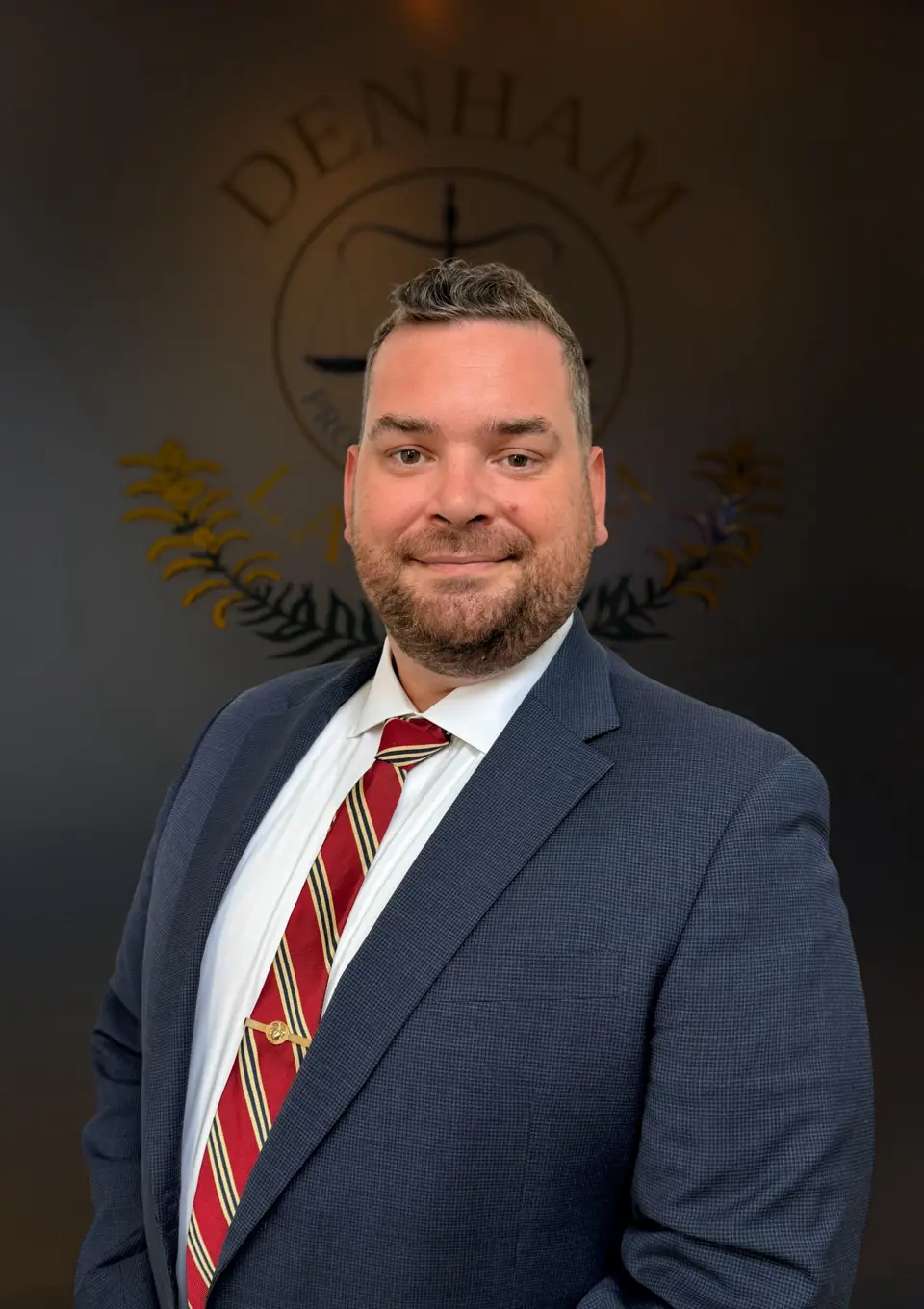
Bart Denham founded the firm and leads it as principal attorney. He earned his business degree and law degree at the University of Kentucky, worked as in-house counsel for a medical device company, and moved into property loss litigation in Tampa Bay, one of the most heavily litigated insurance markets in the country.
He practiced as Of Counsel at a Lexington personal injury firm before opening Denham Property & Injury Law Firm, and he holds membership in the Kentucky Justice Association and the Florida Justice Association.
The firm has since grown well beyond one attorney, with lawyers, pre-litigation staff, and a public adjuster liaison working files across the country. Restoration companies and roofing contractors send us clients regularly, which is a useful signal from people who watch claims resolve for a living.
“Denham Property & Injury Law Firm was a lifesaver when my insurance company underpaid my property claim. They were professional, persistent, and got me the outcome I deserved.” , Charis R.
Read more about our insurance claim attorneys or call (859) 900-BART (2278) to talk with a member of our team today.
Personal Injury Claims
We represent people injured by someone else’s negligence, including car accidents, falls, and other incidents where an insurance company controls the outcome. The work may be much different from a property claim, but the opponent is the same, and so is the pattern of early offers that arrive before anyone knows what the damage will truly cost.
Insurance carriers on the other side of an injury claim move quickly and settle cheaply when nobody pushes back. We handle those claims alongside our property work rather than treating injury as a sideline.
Does Where You Live Change Your Claim?
Your state changes your leverage more than your coverage. Policy forms look similar across the country, but what you can do when a carrier refuses to pay varies considerably.
- Kentucky lets a policyholder sue the insurer directly over unfair claim settlement practices.
- Tennessee may impose additional liability of up to 25% when an insurer refuses to pay in bad faith and the statutory requirements are met.
- Indiana recognizes a common-law duty of good faith that an insurer owes its own policyholder, separate from the terms of the policy.
- Montana allows insureds to bring an independent statutory claim for certain unfair claim-settlement practices.
- Florida requires written notice to the insurer and to state regulators before a bad faith suit can move forward, which gives the carrier a defined window to pay first.
- North Carolina treats certain unfair claim settlement practices as unfair trade practices, and that classification can open the door to damages beyond the policy benefits.
Deadlines shift too. Most policies include their own suit-limitation clause, often shorter than the state’s general contract deadline, and each state’s insurance department sets timelines for how quickly a carrier must acknowledge and decide a claim. The National Association of Insurance Commissioners maintains the directory of those regulators.
We work claims nationwide from offices in Lexington, Nashville, Carmel, and Bozeman.
Start With a Conversation, Not a Commitment
Many people put off making this call because they believe the insurance company’s decision is final or that contacting a lawyer is a major commitment. But the first conversation is free and comes without pressure or obligation.
Bring the denial letter, the estimate, the policy, or just the question you cannot get answered. We will tell you what the policy appears to require, where the carrier’s position looks weak, and what pursuing it would involve. Remedies against an insurer differ by state, from Kentucky’s direct right of action to Florida’s pre-suit notice requirement, so we will evaluate your claim against the rules of the state where your property sits.