When disaster strikes your home or business, property damage insurance can provide critical financial protection. Whether the damage is caused by a severe storm, fire, burst pipe, hail event, or another covered loss, insurance is intended to help policyholders recover and rebuild. Unfortunately, many Americans discover that filing a property damage insurance claim is often far more complicated than expected.
From delayed claim investigations to underpaid settlements and outright claim denials, property owners across the United States frequently face challenges when seeking the compensation they deserve. Understanding your rights and the insurance claims process can help you protect your interests and maximise your recovery.
What Is Property Damage Insurance?
Property damage insurance is designed to cover physical damage to residential, commercial, or personal property resulting from covered events. Coverage typically includes damage to structures, buildings, and in many cases, personal belongings. Common covered events may include:
- Wind and storm damage
- Hail damage
- Fire and smoke damage
- Water damage from sudden incidents
- Lightning strikes
- Falling trees and debris
- Vandalism and theft
The specific coverage available depends on the terms of your policy, exclusions, endorsements, and applicable state insurance regulations.
Common Causes of Property Damage Claims
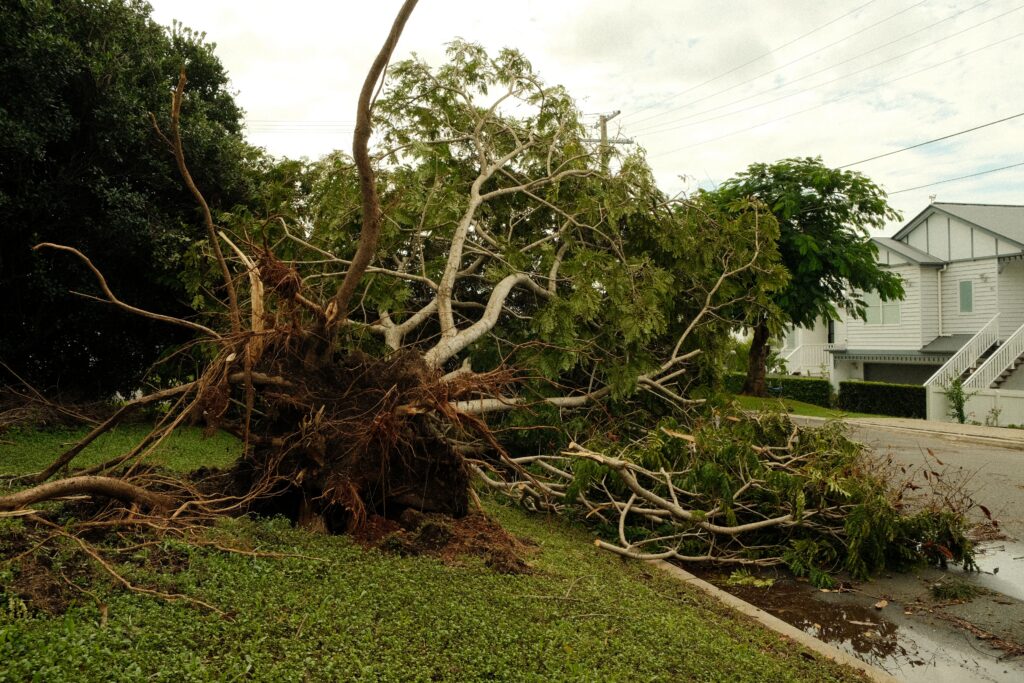
Across the United States, severe weather remains one of the leading causes of property damage insurance claims. States such as Texas, Colorado, Florida, Kentucky, and California regularly experience weather-related events that result in substantial insurance losses.
Storm and Hail Damage
Hailstorms can cause extensive damage to roofing systems, siding, gutters, windows, and outdoor structures. In hail-prone regions, insurers frequently dispute the extent of damage or argue that wear and tear contributed to the loss.
Wind Damage
High winds can tear shingles from roofs, damage structures, uproot trees, and create openings that allow water intrusion. Wind damage claims often involve disputes regarding repair costs and whether the damage was caused by a covered event.
Fire Damage
Fire losses are among the most devastating property damage claims. In addition to structural damage, policyholders may face losses involving personal belongings, temporary housing expenses, smoke damage, and business interruption.
Water Damage
Water damage claims frequently arise from burst pipes, plumbing failures, appliance malfunctions, and roof leaks caused by storms. While sudden water damage is often covered, insurers may deny claims they believe resulted from maintenance issues or long-term deterioration.
Why Insurance Claims Are Denied or Underpaid
Many policyholders assume that paying premiums guarantees a smooth claims process. Unfortunately, disputes are common.
Insurance companies may deny or reduce claims based on allegations of:
- Pre-existing damage
- Policy exclusions
- Insufficient documentation
- Late claim reporting
- Failure to mitigate additional damage
- Wear and tear rather than sudden loss
- Maintenance-related issues
In some cases, insurers may undervalue repair costs, apply excessive depreciation, or rely on engineering reports that minimise the extent of the damage.
For homeowners facing substantial losses, these tactics can create significant financial hardship at a time when they are already dealing with the stress of property restoration.
The Importance of Proper Documentation
One of the most important steps after any property loss is thorough documentation.
Property owners should:
- Take photographs and videos immediately after the damage occurs.
- Preserve damaged materials whenever possible.
- Keep copies of repair estimates.
- Save receipts for emergency repairs and temporary accommodations.
- Maintain records of all communications with the insurance company.
Strong documentation often becomes crucial if a dispute develops regarding the value or cause of the damage.
Understanding Bad Faith Insurance Practices
Insurance companies have a legal duty to handle claims fairly and in good faith. When insurers intentionally delay, deny, or undervalue legitimate claims without reasonable justification, they may be engaging in bad-faith insurance practices.
Examples of potential bad faith conduct include:
- Unreasonable claim delays
- Failure to properly investigate losses
- Misrepresenting policy language
- Ignoring evidence supporting coverage
- Offering settlements that do not reflect actual damages
Bad-faith claims can sometimes allow policyholders to recover damages beyond the original insurance benefits.
What to Do if Your Claim Is Delayed or Denied
Receiving a denial letter does not necessarily mean the insurance company's decision is final.
Policyholders should consider:
Reviewing the Policy
Insurance policies contain detailed coverage provisions, exclusions, conditions, and endorsements. A careful review can help identify whether the denial is supported by the policy language.
Obtaining Independent Estimates
Independent contractors, engineers, or public adjusters may provide evaluations that differ significantly from the insurer's assessment.
Requesting a Reconsideration
Additional evidence and documentation may persuade an insurer to reverse or modify its decision.
Consulting a Property Damage Attorney
When substantial losses are involved, legal representation may help level the playing field. Attorneys who focus on property damage insurance disputes can evaluate the claim, negotiate with insurers, and pursue litigation when necessary.
How a Property Damage Lawyer Can Help
Property damage attorneys advocate for policyholders rather than insurance companies. Their role may include:
- Investigating the cause and extent of damages
- Reviewing policy language
- Negotiating settlements
- Challenging denied claims
- Pursuing bad-faith actions
- Litigating disputes when necessary
Many firms handling property damage cases work on a contingency fee basis, meaning clients typically pay no upfront legal fees and only pay if compensation is recovered.
Protecting Your Financial Recovery
After a major property loss, the difference between accepting an insurer's initial offer and pursuing a full evaluation can be significant. Repair costs, replacement values, code upgrades, and hidden damages may all impact the true value of a claim.
Whether the damage involves a home, business, rental property, or commercial building, understanding your rights can help ensure you receive the benefits your policy was intended to provide.
Speak with an Experienced Property Damage Insurance Attorney
If your property damage insurance claim has been delayed, underpaid, or denied, it may be time to seek professional legal guidance. An experienced property damage attorney can review your situation, explain your options, and help you pursue the compensation necessary to rebuild and recover.
Insurance companies have teams of adjusters and attorneys protecting their interests. Property owners deserve experienced advocates protecting theirs.