

Water damage can spread through your Kentucky home or business much faster than you resolve a dispute with your insurance company over the repairs.
A Kentucky water damage insurance claim may involve a burst pipe, appliance failure, plumbing leak, or another sudden failure, but coverage often depends on how the water entered the property and what the policy excludes.
Denham Property & Injury Law Firm represents policyholders when carriers deny, delay, or underpay property claims. We review the policy, the water source, repair estimates, moisture and remediation records, insurer communications, and any exclusions the carrier relies on.
If your claim has stalled or payment falls short, call (859) 900-BART / 859-900-2278 or contact us online for a free consultation with our Kentucky insurance claim attorneys.

Does Homeowners Insurance Cover Water Damage in Kentucky?
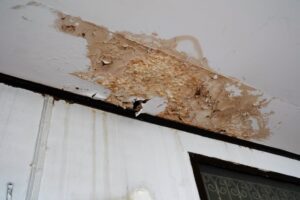
A Kentucky homeowners policy may cover sudden and accidental water damage, but it often excludes or limits losses caused by flooding, long-term seepage, repeated leakage, deterioration, or poor maintenance. The exact policy language and cause of the damage determine what coverage may apply.
A water claim can therefore involve two separate questions: what caused the water release, and which resulting damage is covered by the policy.
| Source of water | Common insurance question |
|---|---|
| Burst or frozen pipe | Was the break sudden and accidental, and did the policy conditions apply? |
| Failed appliance or supply line | Did a sudden failure cause covered resulting damage? |
| Slow plumbing leak | Does a repeated-leakage or seepage exclusion apply? |
| Roof opening after storm | Did covered wind damage allow water to enter? |
| Sewer or drain backup | Does the policy include backup coverage or an endorsement? |
| Rising surface water | Does the loss fall under a flood exclusion or separate flood policy? |
A burst pipe insurance claim in Kentucky can become disputed even when everyone agrees water entered the building. We focus on the cause, timing, policy language, and resulting property damage when evaluating burst pipe water damage claims, rather than treating all water losses as the same event.
Why Do Burst Pipe and Freeze Claims Become Disputed?
Kentucky freezes can lead to broken plumbing and extensive interior damage. Insurers may investigate not only where the pipe failed, but also whether the property was occupied, heated, maintained, or subject to a policy condition concerning freezing.
The Carrier May Separate the Pipe From the Resulting Damage
Some policies distinguish between the failed plumbing component and damage the escaped water causes to walls, flooring, cabinets, ceilings, or personal property. An insurer may deny one item while coverage remains possible for another, making it important to evaluate property damage insurance claims according to the specific policy terms and each category of loss.
We review each category rather than assuming a limitation on the pipe itself defeats the entire claim.
Vacancy and Heat Conditions Can Become Coverage Issues
A policy may contain conditions or exclusions tied to freezing when a building is vacant, unoccupied, or not reasonably heated. The wording varies by contract.
We examine what the policy actually required, the property’s condition, the timing of the freeze, and the evidence the insurer used before accepting a denial based on those provisions.
Repair Scope Can Expand Beyond the Visible Leak
Water can affect adjoining materials that must be removed or repaired to reach damaged areas. Kentucky’s property claims settlement regulation addresses qualifying replacement-cost claims and consequential physical damage associated with covered repair or replacement.
That can matter when an insurer’s estimate addresses only the obvious wet material but omits related work necessary to complete a covered repair.
What If the Insurer Says the Water Damage Happened Gradually?
A gradual-leak denial should be tied to the policy language and the evidence about how the loss developed. Many policies exclude repeated seepage or leakage over a specified period, but the wording differs, and a carrier still needs a reasonable basis for applying the exclusion to the facts.
We may review:
- Plumbing, mitigation, and repair records.
- Photographs showing the affected areas.
- The insurer’s inspection and technical opinions.
- Evidence concerning when the leak began or became detectable.
- The exact seepage, leakage, deterioration, or maintenance exclusion.
- Whether separate resulting damage may receive different treatment.
A water damage claim denied in Kentucky may involve more than the insurer’s label of long-term leak. When filing a water damage insurance claim, policyholders need to understand whether the evidence supports that conclusion and whether the carrier has addressed all potentially covered resulting damage.
How Do Mold Limits Affect a Kentucky Water Claim?

Mold-related coverage often depends on both the cause of the water and a separate policy limitation or sublimit. Some policies provide limited coverage for fungi, wet rot, or bacteria when they result from a covered water loss, while others impose strict dollar limits or exclusions.
We review the endorsement or limitation together with the underlying water claim. If the carrier accepts the pipe loss but limits mold-related work, the dispute may focus on which repair costs fall inside the mold sublimit and which belong to the covered building damage.
This is another reason not to evaluate a water claim from a single estimate. Different policy provisions can apply to demolition, drying, reconstruction, damaged contents, and mold-related work.
What Is the Difference Between Water Damage and Flood Coverage in Kentucky?
Water damage and flood damage are not interchangeable insurance terms. Standard homeowners policies commonly cover some accidental internal water losses but exclude flooding caused by rising or surface water.
The Federal Emergency Management Agency explains that homeowners insurance generally does not cover flooding. Flood coverage may come through the National Flood Insurance Program or a private flood policy.
That distinction becomes critical when a severe storm causes several kinds of water intrusion. Water entering through a storm-created opening may raise a different coverage question from water rising from the ground.
Our related resource explains water damage versus flood coverage in Kentucky in more detail. We can evaluate both sources when the carrier attributes the loss to flooding but the evidence suggests a covered source may also have contributed.
What Kentucky Rules Apply When a Water Claim Is Delayed or Denied?
Kentucky law requires insurers to follow claim-handling standards while they investigate and resolve property claims. Those standards do not guarantee that every water loss is covered, but they can become important when challenging a denied or underpaid insurance claim involving concerns about the carrier’s investigation, communications, explanations, or payment conduct.
KRS 304.12-230 identifies unfair claim settlement practices, including specified failures involving reasonable investigations, policy representations, communication, and explanations for denials or compromise offers.
KRS 304.12-235 generally addresses payment within 30 days after an insurer receives the notice and proof required by the policy. Whether additional consequences apply depends on the facts, including whether the carrier had a reasonable foundation for delay.
| Insurance company issue | What we review |
|---|---|
| The leak was gradual | Policy exclusion, timing evidence, and resulting damage |
| The property was not heated | Freeze-related policy conditions and factual support |
| The damage is mold, not water | Mold endorsement, sublimit, and underlying covered cause |
| The water was flooding | Source and path of water and any separate flood coverage |
| Our estimate covers the loss | Demolition, drying, repair scope, matching, and valuation |
| The claim is still being investigated | Requests, communications, investigation history, and state claim standards |
A coverage disagreement does not automatically establish bad faith. We look at whether the carrier reasonably investigated the source of loss, applied the policy to the evidence, and explained its position.
If the insurer has reduced the claim to one exclusion or one narrow estimate, we can review the bigger coverage picture. Call (859) 900-BART / 859-900-2278 for a free consultation about the carrier’s current position and the unresolved damage.
How Can a Lawyer Help With a Kentucky Water Damage Insurance Claim?
A lawyer can bring the policy, evidence, and insurer’s claim position into one organized legal review. That can be especially important when multiple exclusions or repair categories overlap.
Our work may include analyzing coverage, communicating with the carrier, reviewing estimates and technical reports, identifying omitted damage, evaluating depreciation, and challenging unsupported denials or underpayments. We also track policy-based deadlines and legal options if the claim cannot be resolved through the adjustment process.
For a broader discussion outside the Kentucky-specific rules, see how water damage claims work.
Why Choose Denham Property & Injury Law Firm for a Kentucky Water Claim?

Our firm focuses on policyholder-side insurance disputes, so property coverage and insurance claim handling sit at the center of our practice. Bart Denham, Esq., our founder and principal attorney, earned both his business degree and law degree from the University of Kentucky before building a career that included litigation and property-loss work.
That background is useful in water claims because the dispute often combines contract language with repair costs, valuation, business impact, and technical evidence about the source of loss.
Client reviews repeatedly emphasize responsive communication and strong guidance through insurance disputes. We aim to give Kentucky property owners the same direct access and clear explanation when a carrier’s position has made a water loss harder to resolve.
If you are looking for a Kentucky water damage attorney, our headquarters at 250 W Main St., Ste. 2650, Lexington, KY 40507 gives the firm a local base for claims throughout the state.
Questions Kentucky Policyholders Ask About Water Damage Lawyers
Can I hire a lawyer before my water damage claim is denied?
Yes, you can contact a lawyer while the insurer is still investigating. Legal review may help when the carrier has delayed a decision, raised an exclusion, issued a low estimate, or requested information that signals a significant coverage dispute.
Can a lawyer help if the insurer already paid for drying or mitigation?
Yes, payment for mitigation does not necessarily resolve the reconstruction or contents portions of the claim. We can review what the insurer accepted, what remains disputed, and whether later repair estimates reveal covered work that the initial payment did not include.
What if the leak was hidden inside a wall?
A hidden leak can create a difficult timing dispute, especially if the policy excludes repeated seepage or leakage. We can review the policy wording and evidence concerning when the leak began, when it became detectable, and which resulting damage the carrier says is excluded.
Does sewer backup count as covered water damage?
It depends on the policy. Many property policies exclude or limit sewer or drain backup unless the insured purchased specific coverage or an endorsement. We review the declarations and endorsements to determine whether that protection applies to the loss.
Can you handle water damage at a commercial property?
Yes, we handle qualifying commercial property insurance disputes. A commercial water claim may involve building repairs, equipment, inventory, business income, or extra expenses, depending on the policy and the effect of the loss on operations.
How long do I have to dispute a Kentucky water claim?
Deadlines can arise from Kentucky law and from the insurance policy itself. Notice, proof-of-loss, appraisal, and suit-limitation provisions can vary, so we identify the relevant time limits by reviewing the specific contract and claim history.
What does it cost to talk with Denham Property & Injury Law Firm?
We offer a free consultation for qualifying Kentucky water damage insurance disputes. We can review the basic claim history and insurer position, then explain whether our firm may be able to help and what the next legal step would involve.
Talk With a Kentucky Water Damage Insurance Lawyer

A water loss can become more expensive while coverage questions remain unresolved. If the insurer disputes the source, applies an exclusion too broadly, or pays less than the covered repair requires, we can review the claim and the policy together.
Call Denham Property & Injury Law Firm at (859) 900-BART / 859-900-2278 or request a free consultation online. Our Kentucky headquarters is at 250 W Main St., Ste. 2650, Lexington, KY 40507.