
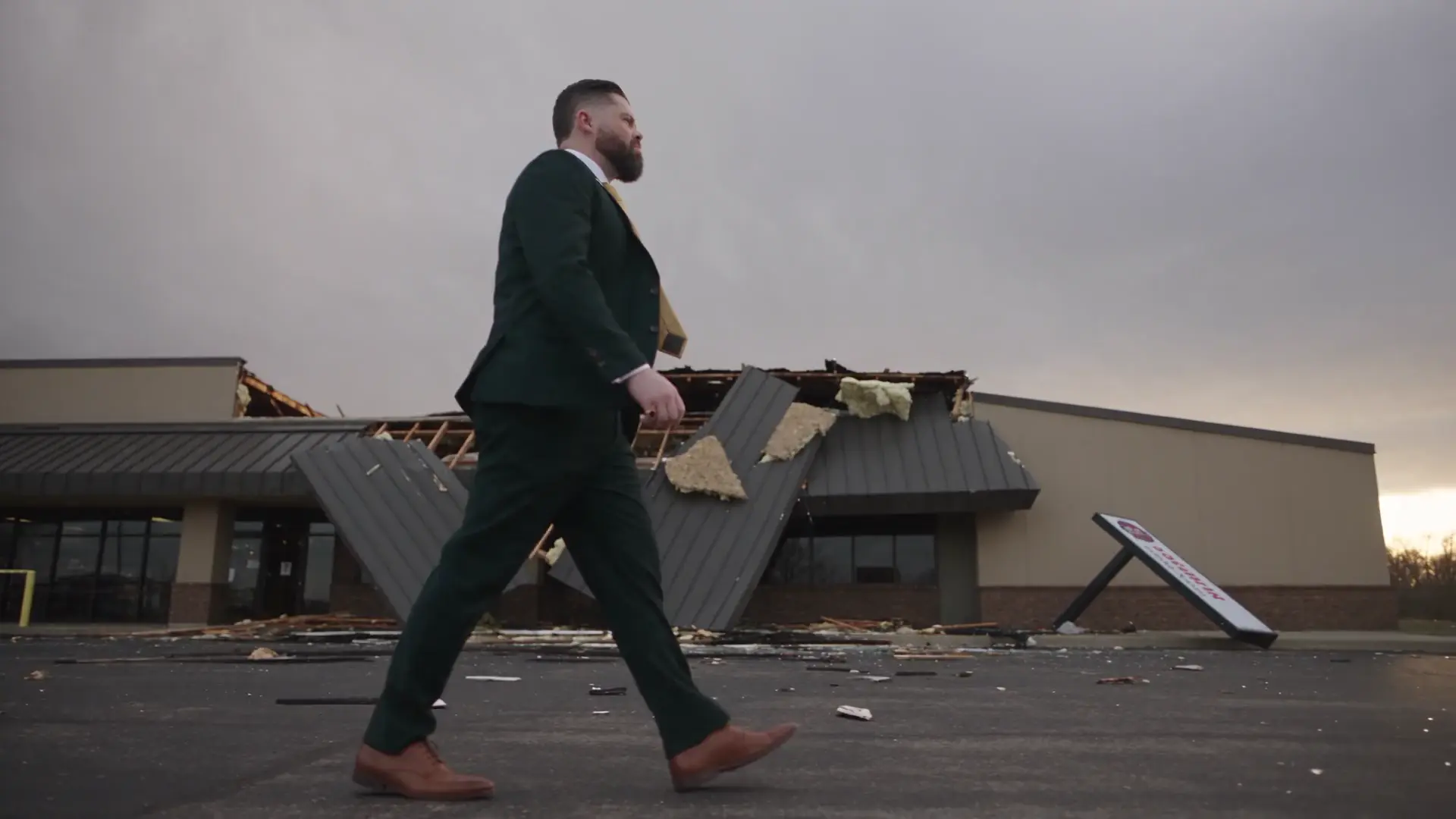
When wind damage has damaged your home or business, navigating the insurance claim process adds unnecessary stress to an already difficult situation. High winds can damage a Kentucky home or business without producing the dramatic destruction of a tornado. Shingles may lift, siding may loosen, windows may break, and rain may enter through storm-created openings.
A Kentucky wind damage insurance claim can become difficult when the insurer blames the age of the property or limits the scope of repairs.
Denham Property & Injury Law Firm represents policyholders when carriers deny, delay, or underpay property claims. We compare the policy with the storm evidence, physical damage, estimates, and the insurer’s explanation so you can see exactly where the dispute stands.
If wind damaged your property and the carrier’s payment does not cover the loss, call (859) 900-BART / 859-900-2278 or contact us online for a free consultation with our Kentucky insurance claim attorneys.

Does My Homeowners Insurance Cover Wind Damage in Kentucky?
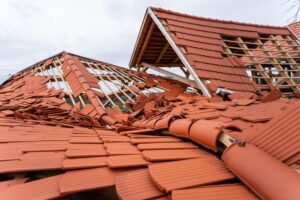
A standard homeowners policy covers direct physical damage caused by wind unless a policy provision excludes or limits the loss. Your deductible, valuation terms, endorsements, and the cause of each damaged area still control how much the insurer owes.
Wind damage can also create a second loss. If wind tears off roofing or breaks a window before rain enters, the interior water damage raises a different coverage question from flooding that rises from the ground. Understanding the source of the water is important when filing a water damage insurance claim, because the policy may treat storm-driven rain intrusion differently from surface flooding.
| Damage area | What a wind claim may involve |
| Roof and exterior | Shingles, flashing, siding, gutters, and windows damaged by wind |
| Interior water | Rain entering through an opening created by covered wind damage |
| Other structures | Covered damage to detached structures, subject to the policy |
| Trees and debris | Property damage and debris-removal costs when covered |
The policy should be read against the actual sequence of damage. That prevents a carrier from treating an entire storm loss as wear, water damage, or a limited roof repair without addressing what the wind actually did.
What Should I Do After Wind Damages My Property?
Protect people first, then protect the property from additional damage when you can do so safely. Kentucky claim guidance expects policyholders to take reasonable steps after a loss, but temporary work should not erase the evidence the insurer needs to inspect.
After a windstorm, useful steps include:
- Photograph or record the roof, siding, windows, fallen debris, and interior damage before temporary repairs.
- Use tarps, boards, or other reasonable temporary protection when needed to keep the damage from getting worse.
- Keep receipts for emergency materials, tree removal, water extraction, temporary lodging, and other storm-related costs.
- Save damaged materials when practical, especially when the insurer has not yet inspected them.
- Keep written records of the claim number, adjuster contacts, inspections, estimates, and important conversations.
- Get repair estimates that identify the full scope of work rather than only the most obvious damaged items.
You do not need to know the final repair cost before reporting the loss. Early documentation helps establish what the property looked like before cleanup and what work became necessary because of the storm.
Roof Wind Damage Claims Often Involve Uplift, Matching, and Wear
Roof disputes are common after Kentucky windstorms because the carrier may accept that high winds occurred while disputing what they did to a particular roof. A Kentucky roof wind damage claim should separate new storm damage from pre-existing conditions, with documenting wind damage for insurance claims helping establish the evidence needed to assess the repair required for the covered loss.
Shingle Uplift and Creasing
Wind can lift shingles, loosen seals, crease tabs, damage flashing, and expose areas that later allow water inside. The insurer may argue that a shingle settled back into place or that visible conditions resulted from age rather than the storm.
We compare the inspection findings with photographs, weather information, roof condition, repair assessments, and the policy. The issue is whether the wind caused new physical damage, not whether the roof showed any ordinary aging before the storm.
Matching and Repair Scope
Kentucky’s property claims settlement regulation addresses qualifying replacement-cost property damage insurance claims when new materials do not reasonably match the existing property in quality, color, and size. In that situation, the insurer must replace items in the area needed to create a reasonably uniform appearance, subject to the policy.
That rule can matter when a carrier approves a few shingles or pieces of siding but available replacements do not reasonably match. Properly assessing wind damage to roofs and siding helps establish the extent of covered damage and whether the necessary replacement work is sufficient. Matching does not guarantee a new roof. It affects the scope only after covered damage and the necessary replacement work are established.
Wear and Tear Versus New Wind Damage
Wear, deterioration, and maintenance conditions can be excluded. They do not erase separate wind damage simply because the roof or exterior was not new before the storm.
A carrier should identify which conditions it attributes to wear and which damage it accepts as storm-related. We examine whether its inspection and explanation actually support that distinction.
Why Was My Kentucky Wind Damage Claim Denied or Underpaid?
A wind claim is commonly disputed over cause, scope, valuation, or policy conditions. If you received a wind damage claim denied in Kentucky, the denial should identify the policy language and facts the carrier believes defeat coverage. A low payment should likewise be traceable to the insurer’s estimate and calculations.
A Kentucky windstorm insurance claim can also be partially accepted. The insurer might pay for several roof repairs while denying siding, interior water damage, detached structures, or a larger replacement scope.
| Dispute | What to review |
| Cause | Storm evidence, roof condition, and any pre-existing wear |
| Repair scope | Omitted shingles, siding, interior damage, and necessary related work |
| Valuation | Actual cash value, replacement cost, depreciation, and deductibles |
| Matching | Whether available replacement materials create a reasonably uniform appearance |
A carrier’s position is not automatically correct because it appears in an estimate or denial letter. We compare that position with the policy and the evidence supporting the claimed damage.
Kentucky Insurers Have Claim-Handling Duties After a Wind Loss

Kentucky law sets standards for how property insurers communicate, investigate, explain decisions, and pay covered amounts. Those rules do not create coverage that the policy excludes, but they matter when a claim stalls or the insurer does not explain its position.
Under 806 KAR 12:095, an insurer generally must acknowledge a claim within 15 calendar days unless it pays within that period. It must also respond within 15 days to communications that reasonably call for a response.
After the insurer receives proof of loss, the regulation generally requires an offer of amounts due within 30 calendar days. If more investigation is reasonably necessary, the carrier must explain the delay and continue sending written updates while the investigation remains incomplete.
KRS 304.12-230 also prohibits specified unfair claim settlement practices, including refusing payment without a reasonable investigation and failing to provide a reasonable explanation for a denial or compromise offer.
KRS 304.12-235 separately addresses payment timing after the insurer receives the notice and proof required by the policy. Interest or attorney-fee consequences can apply in qualifying cases when delay lacks the required good-faith or reasonable foundation.
A disagreement over roof damage or price does not automatically amount to bad faith. We look at the policy, investigation, explanations, timing, and claim record before deciding whether the dispute involves more than coverage or valuation.
If the carrier keeps changing its explanation or leaving covered work unresolved, call (859) 900-BART / 859-900-2278. We can review the claim history and explain which issues need a direct response.
Kentucky’s March 2023 Windstorm Shows How Far Straight-Line Wind Damage Can Reach
Kentucky does not need a tornado for wind to cause widespread property damage. On March 3, 2023, the National Weather Service documented a historic windstorm across the Commonwealth, with hurricane-force gusts reported in Lexington and Louisville and severe wind damage across eastern and western Kentucky.
The National Weather Service office in Jackson reported gusts of 50 to 70 mph across parts of eastern Kentucky, including a 70 mph gust at London-Corbin Airport. The event damaged structures, brought down trees, and caused extensive power outages.
Straight-line wind losses differ from tornado damage claims in Kentucky, but both can involve roof failure, debris impact, fallen trees, broken windows, rain intrusion, and disputes over the cost of restoring the property.
Storm reports help establish what weather occurred in an area. They do not prove that every condition at a particular property came from the event, which is why the physical evidence and policy still matter.
How Can Denham Help With My Wind Damage Insurance Claim?
We bring the insurance contract, storm evidence, repair information, and carrier position into one organized review. That is especially useful when the insurer accepts part of the loss but disputes the roof, siding, interior water, or replacement scope.
Our work may include:
- Reviewing the policy, declarations, endorsements, deductibles, and loss-settlement terms.
- Comparing the carrier’s estimate with contractor or other qualified repair assessments.
- Reviewing photographs, inspection findings, and reliable weather information for the claimed date of loss.
- Separating pre-existing wear from new wind damage and resulting damage.
- Evaluating matching, depreciation, actual cash value, and replacement-cost issues.
- Challenging unsupported exclusions, omitted repairs, or narrow spot-repair positions.
- Tracking claim communications, proof-of-loss requirements, and time-sensitive policy provisions.
Questions about how wind damage claims work become concrete when the insurer accepts one part of the storm loss but leaves other covered work unpaid. We focus on the specific gap between the carrier’s position and what the policy and evidence support.
Why Choose Denham Property & Injury Law Firm for a Kentucky Wind Claim?
Property insurance disputes are a major focus of our policyholder practice. We do not start with the assumption that the carrier’s estimate defines the loss. We start with the policy and the damage, then test the insurer’s scope and explanation against both.
Our Kentucky headquarters is at 250 W Main St., Ste. 2650, Lexington, KY 40507. We represent qualifying policyholders across Kentucky, including communities affected by severe wind in the Bluegrass, Louisville metro, western Kentucky, and eastern Kentucky.
Client reviews consistently emphasize communication and insurance-claim knowledge. Theresa M., who worked with Bart on a disputed roof claim, described his “dogged determination and technical knowledge.” Those are the qualities we bring to technical wind and roof disputes.
If you want a Kentucky wind damage attorney to review what the carrier has paid, denied, or left unresolved, we can identify the central coverage and valuation issues without turning the claim into a maze of insurance jargon.
Questions Kentucky Property Owners Ask About Wind Damage Insurance
Can I Challenge a Wind Claim After the Insurer Paid Part of It?
Yes. A partial payment does not necessarily resolve the entire claim. We can determine which damage the insurer accepted, which items remain disputed, and whether the estimate, depreciation, deductible, or policy interpretation explains the difference.
What If the Insurer Says My Roof Is Too Old?
Roof age does not answer whether wind caused new covered damage. Wear and deterioration can be excluded, but the carrier still needs to separate those conditions from storm damage supported by the evidence.
Does Kentucky Require Matching Shingles or Siding?
Kentucky’s claim-settlement regulation requires a reasonably uniform appearance in qualifying replacement-cost claims when replacement items do not reasonably match in quality, color, and size. The rule applies to the repair scope after covered damage is established and remains subject to the policy.
Can Wind-Driven Rain Be Covered?
Yes, when the policy covers the chain of events that allowed the rain inside. Rain entering through a roof or window opening created by covered wind damage raises a different issue from surface water or flooding entering from the ground.
What If a Tree Falls on My House During High Winds?
The claim can involve damage to the building, debris removal, and sometimes other structures or property, depending on the policy. We review what the wind and tree damaged and which policy provisions apply to each part of the loss.
How Long Do I Have to Dispute a Kentucky Wind Claim?
Deadlines can come from Kentucky law and from the insurance contract. Notice, proof-of-loss, appraisal, and suit-limitation provisions vary, so we identify the applicable deadlines from the specific policy and claim history rather than use one universal date.
What Should I Bring to a Free Consultation?
Bring the policy if you have it, along with estimates, insurer letters, payment summaries, photographs, inspection reports, and important claim communications. You do not need a perfect file before calling. We can identify missing records after reviewing what you already have.
Speak With a Kentucky Wind Damage Insurance Lawyer

Wind damage can leave a property owner facing two separate problems: repairs that need to be completed and an insurance company that will not pay the full covered loss. We can review the policy, damage, estimate, and carrier explanation together and identify the issues that need to be challenged.
Call Denham Property & Injury Law Firm at (859) 900-BART / 859-900-2278 or request a free consultation online. Our Kentucky headquarters is at 250 W Main St., Ste. 2650, Lexington, KY 40507.